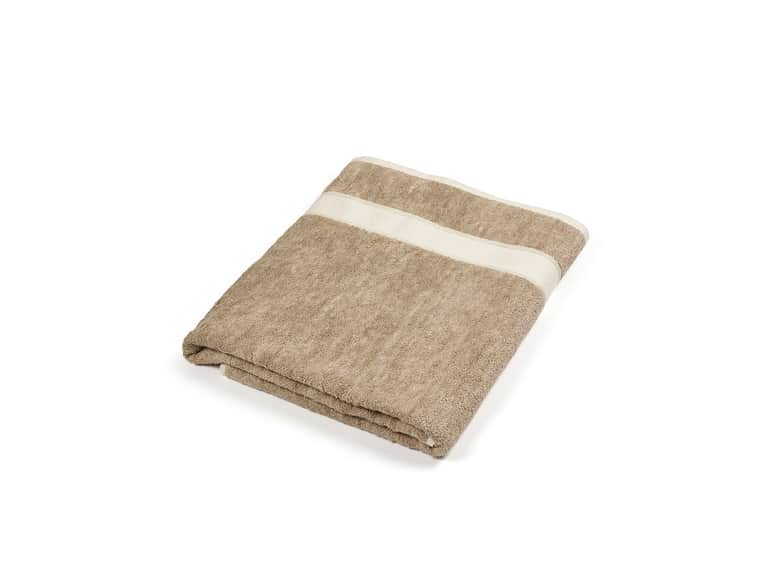
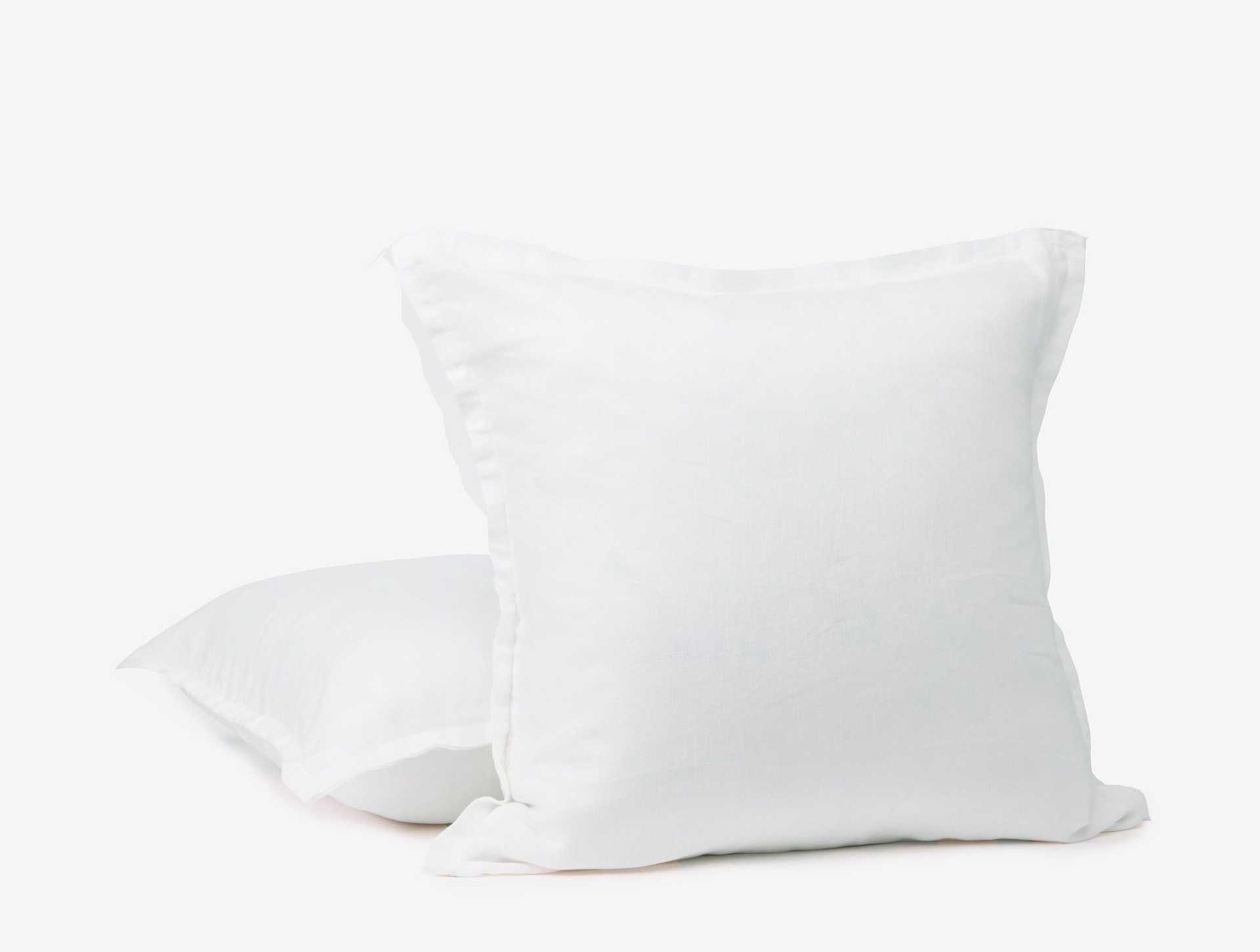
Wilson Pillow insert White 40x80cm
Experience lasting comfort with a breathable cotton sleeve and lofty duck feather fill that holds shape for added support, while ethical RDS certification ensures peace of mind with every night’s rest.
A guest-friendly guide to selecting linen bedding tailored for UK weather, focusing on breathability, temperature regulation, and easy care. We explore how to pair linen with seasonal strategies and top-brand options from Naturepedic, Coyuchi, Libeco, and Downtown Company to keep your bed comfortable year-round.
Linen is built from nature’s own air conditioner. The flax fibers in linen naturally wick moisture away from the skin, allowing evenings to feel cooler on warmer days and still comfortable on damp, chilly nights. For British climates—characterized by temperate summers, a mix of humidity, and cool, damp winters—linen bedding offers a practical and elegant solution. It breathes in summer, dries quickly, and drapes with a relaxed, lived-in texture that works with every interior style from classic to contemporary.
When you’re shopping for linen bedding in the UK, there are three practical axes to consider: weave and weight, fiber certification, and care requirements. Weave and weight determine how heavy or light a sheet or duvet cover feels against your skin and how it behaves in varying room temperatures. Certifications—such as GOTS (Global Organic Textile Standard) or Belgian Linen labels—signal responsible sourcing and processing, which matters for skin sensitivity and environmental impact. Care instructions matter too: if you’re aiming for a low-maintenance routine, look for garments that tolerate machine washing and straightforward drying without specialist equipment.
To help you navigate choices, we’ll spotlight four brands that frequently appear in the linen storytelling of modern homes: Naturepedic, Coyuchi, Libeco, and Downtown Company. Each brings a distinct voice to the linen conversation—whether it’s Naturepedic’s organic storytelling, Coyuchi’s ethical emphasis, Libeco’s Belgian linen heritage, or Downtown Company’s timeless sheet sets. We’ll pair these with practical guidelines that are easy to implement, regardless of whether you’re buying one new linen staple or updating an entire bed ensemble.
Note: In this guide we reference products such as Wilson Pillow Insert (40x80 cm) from Libeco to illustrate how linen ensembles can complement each other with functional, well-made accessories.
Breathability and moisture management are at the top of the list. Linen’s hollow fibers create channels for air and water to move through, which helps maintain a comfortable microclimate regardless of the season. In warm British summers, you’ll feel cooler at night; in cool winters, linen’s natural hygroscopic properties help wick moisture away while still feeling breathable, reducing the heaviness that sometimes accompanies heavier fabrics.
Weight and weave vary across linen offerings. A lighter weight (often around 120-160 g/m²) can feel crisp and cool, ideal for summer and warmer bedrooms. A mid-weight (around 170-210 g/m²) tends to strike a balance, offering a modest drape and stability for year-round use. Heavier linens (220 g/m² and above) feel substantial and curl less, which can be preferable for winter layers or guest rooms that need a durable, long-wearing feel. When shopping, note the fabric’s thread count is less crucial with linen than with cotton; linen’s texture, density, and finishing will determine its feel and performance more than a simple thread count.
Certifications and regional labeling matter for transparency and ethics. GOTS certification signals organic fiber sourcing, while the Belgian Linen label and Belgian Linen certification identifiers guarantee European linen woven to strict standards. If you’re shopping UK-focused brands, you’ll often see phrases like “Belgian linen,” “Belgian Linen label,” or “Linen label” that can guide you toward consistent quality and provenance.
Naturepedic’s linen sheets emphasize organic credentials and a sleep-friendly approach to fabric processing. Their linen sheets are described as breathable, with a tactile weight that grows softer with washing. For a UK climate, Naturepedic’s organic approach can offer a sense of chemical-free comfort that aligns with sensitive-skin needs and a commitment to sustainable farming practices.
Coyuchi offers a robust line of organic linen bedding that is well-regarded for its GOTS-certified fabrics and commitment to environmentally mindful production. Coyuchi’s linens are designed to age gracefully—softening with time while maintaining structure and airflow, an appealing combination for year-round British living where you switch between seasons but want consistency in comfort.
Libeco, a brand with a long Belgian heritage, showcases Nottinghill Linen and other Belgian-label fabrics. Libeco is known for trustworthy, durable linens with a refined feel and a natural texture that holds up well against wear and daily laundering. Libeco’s pillow inserts—like the Wilson Pillow Insert from Libeco—show how linen ecosystems extend beyond sheets to complete bed ensembles with thoughtful, ethically sourced components.
Downtown Company’s Layla Linen Sheet Sets bring a timeless, practical aesthetic to the bedroom. Their stone-washed linen yields a softer, more forgiving hand out of the box, while maintaining linen’s characteristic breathability and temperature regulation. This is particularly appealing for guests or renters who want a low-maintenance option that still delivers a premium look and feel.
Seasonal planning is essential in the UK. In spring and summer, opt for lighter linens or breathable duvet covers that maximize airflow. In autumn and winter, you can layer with a slightly heavier linen sheet set and a duvet cover that feels warmer to the touch. Linen’s inherent temperature regulation means it won’t trap heat the way some synthetic fabrics can, which helps keep the house cooler and the bed more comfortable, even when the central heating is on a modest setting.
Pair linen sheets with a rayon- or cotton-blend pillowcase for a soft, dual-texture feel that still breathes well. If you’re seeking a more minimal look, a white or natural-toned linen sheet set from a reputable brand can anchor a room’s color palette, while adding warmth with textured blankets, woven throws, and nods to natural fibers on additional layers.
For a practical, editorial-ready pairing, consider the following product examples (representative of the brands discussed) to illustrate how a cohesive linen bedroom might look in real life:
A pioneer in textile cleanliness and domestic science, Bell’s era emphasized careful laundering practices and the role of bedding materials in health. His writings on linen care helped lay foundations for modern household textile maintenance in Britain, emphasizing natural fibers and simple washing rituals that respected fabric integrity.
A European textile innovator who explored weaving techniques and fiber sustainability in linen production. Falcon’s work highlighted the practicalities of linen weaving and blending with other fibers to improve durability and comfort in everyday bedding, influencing later artisanal linen movements.
A modern textile scientist and advocate for organic fibers, Rivers championed GOTS certification and sustainable practices in consumer textiles. Her work intersects with brands like Coyuchi and Coyuchi’s emphasis on organic linen, underscoring consumer shifts toward ethically sourced, low-impact materials in daily bedding.
These figures illustrate a continuum—from domestic guidance in earlier centuries to modern sustainability and ethical sourcing that inform today’s linen bedding options. The ongoing dialogue about linen’s role in comfort, health, and environmental stewardship echoes across brands that produce sheets, duvet covers, and decorative pieces in Europe and beyond. The result is a bedding landscape where timeless materials meet contemporary standards, delivering products that perform well in the British climate and fit an increasingly mindful lifestyle.
Imagine a north-facing bedroom with a cool draft from the window, centerpiece linen sheets in a natural shade, and a lightweight duvet cover layered with a soft blanket. To maintain year-round comfort, you might pair:
By selecting a palette of warm creams, soft neutrals, and pale blues and pairing them with linen fabrics from these brands, you create a calm, breathable sanctuary that stays comfortable as the British climate shifts through the seasons. The emphasis remains on quality, provenance, and practicality—attributes that the domain homelinens.co.uk seeks to reflect in its editorial voice and product storytelling.
Choosing linen bedding for the British climate is less about chasing a single trend and more about embracing fabric longevity, breathability, and responsible production. This approach aligns with the domain strategy outlined here: a Focus on an informational hub that educates readers about linen types, care guides, historical context, and sustainable practices while highlighting brand options from Naturepedic, Coyuchi, Libeco, and Downtown Company. The aim is to cultivate trust, practical knowledge, and a sense of warmth in a home that values simple, honest textiles.
To help you begin, consider creating a compact content calendar that delivers evergreen value: care guides (how to wash linen, how to store linens for longevity), seasonal decorating posts (linen-inspired autumn interiors, breezy summer bedding ideas), and a UK-standard care label decoder that translates UK and European standards into plain English.
Would you like me to draft a sample content calendar for the first quarter, or propose a simple site architecture with homepage sections, a navigation menu, and essential pages? I can tailor it to emphasize the three directions outlined here—informational linens, UK-focused decor knowledge, and brand-agnostic textile care—while weaving in the chosen product exemplars.
Wilson Pillow Insert (40x80 cm)
A white pillow insert with a cotton sleeve and 100% duck feather fill. Certified under the Responsible Down Standard (RDS) for ethical sourcing. Perfectly pairs with linen pillow covers for a crisp, supportive look.
Brand: Libeco
Dimensions: 40x80 cm
Care: Dry clean or gentle washing per linen care guidelines; keep away from direct heat to maintain fill loft.
Note: The product image is provided for reference; in an actual article, image display would accompany this product with proper licensing. For this article, the image placeholder would render if a suitable image is available.
To deepen your understanding of linen, consider exploring textile science resources, sustainable sourcing guides, and brand stories from the brands mentioned. A well-curated selection of guides on care labels, wash temperatures, and storage tips can empower homeowners to extend the life of their linens while maintaining comfort and style.