DIY Linen Upcycling Ideas: Creative Projects with Everyday Home Textiles
Explore practical and inspiring ways to repurpose worn or unused linens into stylish home decor. This guide offers beginner-friendly project ideas, safety tips, and sourcing suggestions to celebrate sustainable crafting.
In a world increasingly attuned to sustainability, the humble linen sheet or tablecloth can become a canvas for imagination. The following narrative blends history, craft, and practical tips to transform familiar textiles into enduring pieces that enrich everyday life. From cushion covers with simple seams to patchwork throws that tell a story, these ideas invite readers to slow down, measure twice, and breathe in the quiet beauty of well-made fabric.
Idea 1: Transform Old Sheets into Decorative Cushion Covers or Tote Bags
Old sheets, especially those made of linen or long-staple cotton, carry a glow of memory and texture that can be reimagined with modest stitching. This beginner-friendly project embraces both sewing and no-sew techniques, offering a gentle entry point for crafters of all levels.
- Choose two coordinating sheets, or mix a bold print with a solid for visual interest.
- Opt for a simple envelope closure or a concealed zipper for a cleaner look.
- For no-sew enthusiasts, consider a basic felt-backed technique with fabric glue and seam tape to create a reversible cushion cover.
Key steps (sew version, beginner-friendly):
- Cut two rectangles to your desired cushion size, adding a 1.5 cm (0.6 in) seam allowance.
- Place right sides together and stitch around three sides, leaving one edge open for inserting the cushion.
- Turn right side out, press edges flat, and insert the cushion form. Close the final edge with a hidden stitch or an exposed envelope flap.
Idea 2: Create a Patchwork Throw or Wall Hanging from Linen Scraps
Patience, color theory, and a willingness to mix textures yield a striking textile collage. Linen scraps from multiple projects can narrate a timeline of craft, while a patchwork throw adds warmth and a tactile focal point to living spaces.
Approach:
- Sort scraps by color family or texture (smooth linen, textured matelassé, subtle embroidery, etc.).
- Plan a grid or diagonal layout on a backing fabric—consider a simple even grid for beginners or a more dynamic layout for seasoned makers.
- Join pieces with a basic zigzag or straight stitch; finish with a clean edge or a decorative binding.
Mini-workflow:
- Lay out pieces to determine composition; photograph for reference.
- Fuse or pin pieces to a backing fabric to stabilize the quilt-top before stitching.
- Quilt the layers with a simple running stitch or a decorative cross-stitch motif to secure the layers.
Idea 3: Upcycle Table Linens into Festive Garlands, Napkin Rings, or Fabric Bunting
Seasonal decor invites playful experimentation. Turning table linens into garlands, napkin rings, or fabric bunting can refresh a space for celebrations or everyday dining, while preserving the textile's character.
- Garlands: Cut strips or pennants from sturdy linen or cotton, string with twine, and reinforce with a simple stitch for durability.
- Napkin rings: Coil fabric strips around cardboard rings or metal rings, securing with a few stitches or fabric glue for a neat finish.
- Bunting: Create a sequence of triangles or squares, then hang with rope or ribbon to frame a doorway or wall.
Safety, Sourcing, and Sustainability
Sustainability begins with mindful sourcing and gentle handling of textiles. When repurposing linen or cotton, consider the following guidelines to ensure both safety and longevity of your projects.
- Wash textiles with mild detergent before cutting to remove finishes or residues. This reduces the risk of irritants when handling fabrics with sensitive skin.
- Inspect for wear, stains, or weakened areas. Reserve fragile pieces for smaller projects or decorative accents rather than structural items.
- Use appropriate needle sizes and thread types for linen and cotton to avoid fraying, and select seam allowances that yield durable results.
- Consider eco-friendly dyes or natural accents such as undyed linen for a rustic, timeless finish.
Sourcing Suggestions
To complement upcycling endeavors, seek out sources that align with sustainable craft values: vintage linens from thrift shops, remnant bundles from fabric stores, or surplus materials from friends and family. The goal is to minimize waste while celebrating the tactile beauty of linen and cotton.
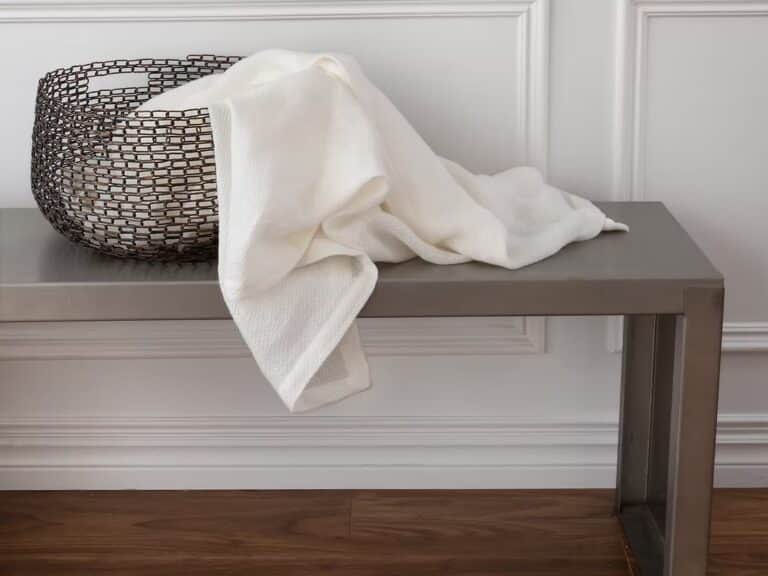
For those who want a tactile anchor to their projects, a premium accent piece can serve as inspiration. Consider a high-quality throw such as the St Geneve Avalon Linen Throw, which embodies the quiet luxury and refined craftsmanship that underpins sustainable textile design. The Avalon throw is a reminder that even a single accessory can elevate a room with texture and lightness, while remaining firmly rooted in responsible production.
Featured Product
St Geneve Avalon Linen Throw — 100% linen, honeycomb weave, 49" x 70" (124 cm x 178 cm). Sustainably made, with a refined natural white hue that pairs with a wide range of decors.
View product- Item: Avalon Linen Throw
- Material: 100% linen
- Origin: Portugal (woven), Canada (sewn)
A Note on Time Periods and Craft Voices
Throughout history, textiles have carried human narratives across eras and cultures. Three key voices emerge when contemplating linen craft—each offering a distinct lens on technique, material, and purpose.
- Ancient and Early Modern Europe (16th–18th centuries): Linen was treasured for its durability and cooling properties in warm climates. The social rituals of hospitality were often expressed through finely woven linen tablecloths and bed linens, reflecting status and care for guests.
- Industrial to Early 20th Century (1800s–1930s): The mechanization of weaving brought broader access to linen textiles. In households, linen remained a symbol of refinement and practicality—durable, washable, and suitable for daily life and celebrations alike.
- Contemporary Craft Movement (21st century): A resurgence in upcycling and sustainable design foregrounds memory, provenance, and circularity. Linen scraps become the threads of new stories, linking past practices with modern aesthetics and ecological responsibility.
Three Timeless Figures in Textile Heritage
Across centuries, individuals have shaped how we think about textiles, craftsmanship, and the environment. Here are three key figures who illuminate the conversation around linen, craft, and sustainable design.
1) Vitruvius (c. 80–15 BCE)
The ancient Roman architect and theorist who framed the relationship between function and beauty. Although not a textile designer, Vitruvius’s insistence on durability, proportion, and utility echoes through modern textile craft—the idea that a fabric must serve a purpose as clearly as it pleases the eye.
2) Harriet Beecher Stowe (1811–1896)
A writer whose narratives captured domestic life with moral clarity. In the realm of textiles, her era’s emphasis on hospitality and homecraft influenced how households valued linens and the rituals surrounding them, including laundering, mending, and passing textiles down as keepsakes.
3) Thomas Thwaites (b. 1983)
A contemporary innovator in sustainable design, Thwaites embodies the modern impulse to blend craft with science. His work on upcycling, materials science, and responsible sourcing resonates with the DIY Linen Upcycling ethos—turning worn textiles into cherished new forms.
Closing Thoughts: The Quiet Revolution of Linen Upcycling
Linen holds a memory-rich presence in every household. Upcycling its remnants is more than decoration; it is a deliberate dialogue with time, texture, and tactility. By transforming sheets into cushions, scraps into artful throws, and linens into festive garlands, we participate in a practice that honors the material while reducing waste. In this act of careful repurposing, we rediscover the power of everyday textiles to shape our spaces and our consciousness.
As you embark on your own linen-upcycling journey, consider the balance of technique and intention. A single Avalon Linen Throw can become the touchstone that prompts a cascade of creative reimaginings—from the couch to the wall, from a practical object to a piece of personal storytelling.
Product Spotlight
St Geneve Avalon Linen Throw
A premium example of linen craft—100% linen, honeycomb weave, sustainably produced. A durable and elegant textile that complements upcycling projects with its subtle texture and refined drape.
Avalon Linen Throw
Woven in Portugal from 100% linen and sewn in Canada. Lightweight yet warm, with a soft honeycomb weave that drapes gracefully across spaces.
Size: 49" x 70" • Price: $249.00
Shop Avalon Linen ThrowFurther Reading and Community Inspiration
For readers who wish to expand their practice beyond the pages of this article, the following themes invite exploration: sustainable textile lifecycle, dyeing and finishing techniques, and the social histories embedded in domestic textiles.
- Little-known regional textile traditions and how they influenced linen weaving and finishing.
- Contemporary designers who prioritize circularity and upcycling within luxury textile markets.
- Community-led sewing circles and online sharing platforms where makers showcase upcycled linen projects.
Published August 5, 2026. A National Geographic-inspired meditation on craft, landscape, and the human relationship with textiles.